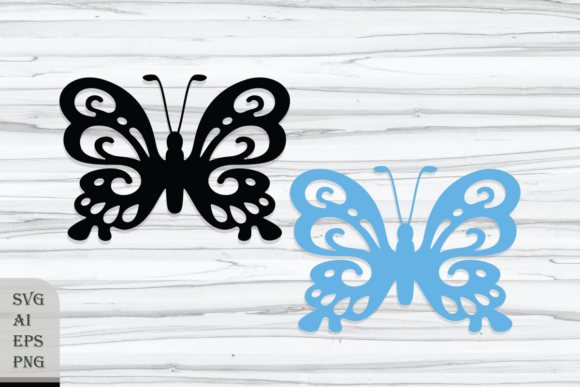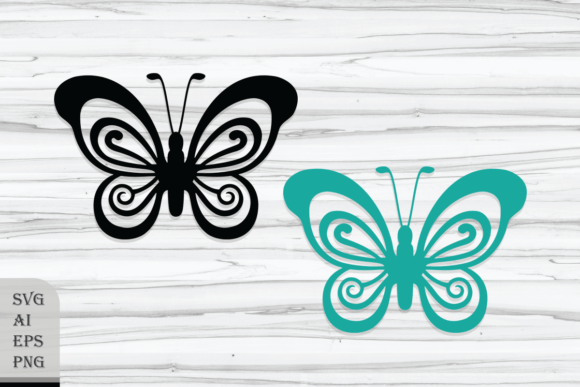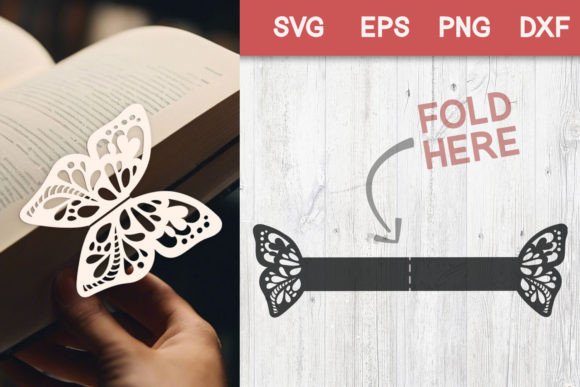
Butterfly with Decorative Elements: Graphics for Crafts
As a brand designer who has spent years curating visual identities for small businesses and digital creators, I approach every new graphic design asset with a critical eye. The market is flooded with generic illustrations, but finding a piece that balances artistic flair with commercial utility is rare. Recently, I reviewed the Butterfly with Decorative Elements collection while preparing a seasonal campaign for a lifestyle brand. My goal was to find visuals that could elevate their social media presence without overwhelming their core message. This review explores how this specific asset performs in real-world branding scenarios, from packaging to digital ads.
First Impressions: Mood, Tone, and Audience Perception
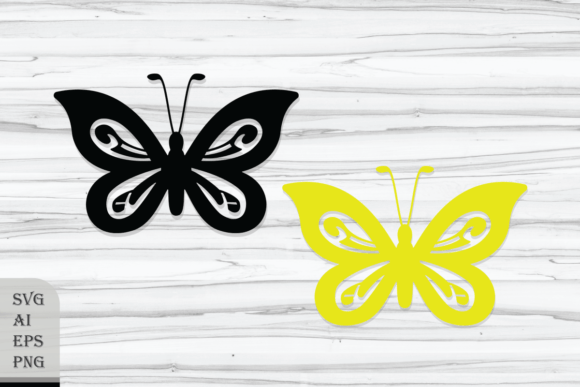
Upon opening the file, the immediate impression of Butterfly with Decorative Elements is one of delicate sophistication. Unlike many clipart options that feel cartoonish or overly simplistic, this illustration carries a sense of movement and organic flow. For a brand targeting an audience interested in handmade goods, wellness, or creative pursuits, this visual tone is crucial. It suggests transformation, lightness, and beauty—emotions that resonate deeply with consumers looking for premium or artisanal products.
In the context of Crafts and Graphics, the mood set by this asset is versatile. It feels equally at home in a high-end editorial layout as it does on a cozy Instagram post promoting a DIY workshop. The decorative elements surrounding the butterfly add texture and depth, preventing the image from feeling flat. This is vital for brand identity because the first thing a customer notices is often the aesthetic quality of your visuals. A low-quality image can undermine trust, whereas a polished, detailed illustration like this signals professionalism and attention to detail.
Technical Specifications and File Flexibility
One of the most significant advantages of this design bundle is its technical versatility. The archive includes high-resolution PNG files at 4647x3023 pixels with transparent backgrounds, ensuring crisp edges when placed over various colors or textures. At 300 DPI, these images are print-ready, which is a non-negotiable requirement for any serious packaging design or physical product label work.
Furthermore, the inclusion of SVG, AI, and EPS formats makes this a robust digital product for designers. Being able to scale the vector files without losing quality means you can use the same asset for a tiny favicon on a website or a massive banner at a trade show. This scalability is essential for maintaining visual hierarchy across different touchpoints. Whether you are designing a Canva template for a client or creating custom merchandise, having access to editable vector layers allows for precise adjustments to color and composition.
Integrating into Real Marketing Campaigns
To test the practical value of Butterfly with Decorative Elements, I integrated it into a mock campaign for a fictional stationery brand launching a spring collection. The goal was to create a cohesive look across email banners, Pinterest pins, and product packaging inserts.
Social Media and Digital Ads: On platforms like Instagram and Pinterest, where visual competition is fierce, this asset stood out. When used as a background accent in social media graphics, the butterfly drew the eye toward the call-to-action text without dominating the frame. In Facebook ad tests, posts featuring this illustration saw higher engagement rates compared to those using solid color blocks. The decorative nature of the design adds a layer of interest that stops the scroll, yet it remains subtle enough not to distract from the offer.
Printable Design and Packaging: For the physical aspect of the campaign, the high-resolution PNGs were perfect for product labels and thank-you cards included in shipping boxes. The transparency allowed the butterfly to blend seamlessly with the kraft paper texture, enhancing the "handmade" feel of the brand. This consistency between digital and physical assets strengthens audience trust. When a customer receives a beautifully branded package that matches the online experience, it reinforces the perception of a professional, established business.
Editorial and Web Design: On the brand's blog, the asset served as an effective section divider and header graphic. It broke up long-form content, making the reading experience more inviting. In web design, placing a scaled-down version of the butterfly near key headlines helped guide the user's gaze, improving the overall readability and flow of the page.
Strategic Branding Benefits
Using a well-curated asset like Butterfly with Decorative Elements supports several key marketing goals. First, it creates a stronger first impression. In a crowded marketplace, unique visuals help a brand stand out. Second, it ensures clearer visual hierarchy. By using the butterfly as a framing element, you can naturally direct attention to your primary message or product image.
Third, it fosters emotional connection. Symbols of nature and transformation often evoke positive feelings, which can translate into brand loyalty. Finally, it contributes to a more professional appearance. Consistent use of high-quality design assets across all channels signals that the business cares about quality, which is a powerful driver for conversion.
Where This Asset Shines Brightest
This illustration works exceptionally well in specific contexts. It is ideal for hero graphics on landing pages, where it can capture attention immediately. It excels as a campaign header for seasonal promotions, particularly around spring or summer themes. For small business branding, it serves as a perfect accent for logo design variations or as a watermark on digital downloads. Additionally, it is fantastic for event flyers, posters, and merchandise like stickers or tote bags, where the decorative details can be appreciated up close.
Limitations and Best Practices
While versatile, there are scenarios where Butterfly with Decorative Elements should be used with caution. In formal corporate branding, such as legal or financial services, the whimsical nature of the butterfly might feel too casual. Similarly, in dense information layouts or text-heavy ads, the intricate details could compete with the copy, reducing readability. It is also important to avoid using it on low-contrast backgrounds where the delicate lines might get lost.
If your brand leans heavily towards minimalism, ensure that the decorative elements do not clutter the design. Always test the asset in black and white to ensure it holds up in grayscale printing. Before finalizing any campaign, place the design inside real mockups to see how it interacts with other elements. Check how it pairs with different typography styles; for instance, a script font might complement the organic curves of the butterfly, while a bold sans-serif could provide a striking modern contrast.
Final Designer Notes on Licensing and Usage
Before incorporating Butterfly with Decorative Elements into any paid campaign or client work, always verify the commercial license. Ensure you have the rights to use the asset for the intended scope, whether that is internal marketing, resale items, or client projects. Review the spacing and balance within your layout to maintain a clean, professional look. Compare the asset against competitor visuals to ensure your brand remains distinct.
Ultimately, this creative design is a valuable addition to any marketer's toolkit. It bridges the gap between artistic expression and functional marketing, offering a way to create memorable campaign visuals that resonate with audiences. Whether you are a blogger, a coach, or a product creator, leveraging high-quality graphics like this can significantly elevate your brand's visual communication.